
Round two is here! Thursday Gathering #269: Defence Deep Dive #2 brings that high-stakes, high-tech energy back to the Venture Café floor – continuing our high-impact collaboration with FORT Kraków.
From AI warfare and space tech to Poland's dual-use quantum ecosystem, we’re covering the technologies shaping our future. Catch live startup demos from IDA Bootcamp and EUDIS Hackathon (CIVITTA), learn how to build a dual-use champion, and get practical takeaways from Founder Institute and banking insiders.
Building in defence tech? Scouting partnerships? Looking for brilliant collaborators? You cannot miss it – the future happens here.

The opening session of Defence Deep Dive #2 marks the official start of our second dedicated gathering for the defence and dual-use innovation ecosystem at Venture Café Warsaw, organized in close partnership with FORT Kraków.
Get an overview of sessions as we bring together the key players driving resilience and technological sovereignty.
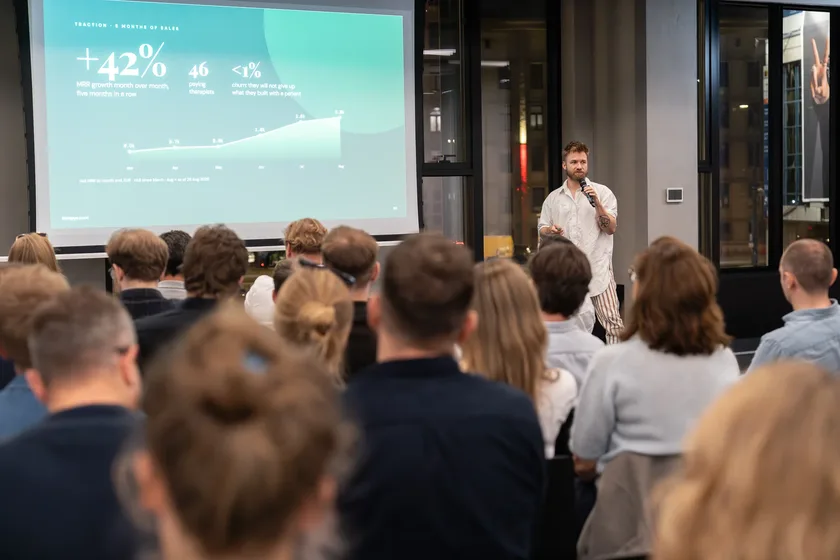
- Who is building what in Warsaw right now, from the people building it;
- Which local investors are active and what they are looking at;
- What the operators in the room can help with;
- Where the local ecosystem is strong and where it is thin;
- How to keep the conversations going after the night ends.
Who Should Attend:
- Founders at any stage building in or near Warsaw;
- Professionals considering starting something who want to meet people who did;
- Local investors and operators looking for early deal flow and talent;
- Anyone who prefers a conversation to a webinar.

How do you build a startup that not only develops breakthrough technology but also becomes a serious player in the European defence market? What makes a dual-use company succeed, and how can founders turn an innovative prototype into a scalable business?
Join us for a fireside chat with Anna Wnuk, Managing Director PSIK, the Polish Private Equity & Venture Capital Association as we explore the challenges and opportunities facing Europe’s defence tech startups.
The conversation will draw on the Dual-Use Handbook, a resource focused on building and scaling technology companies operating at the intersection of civilian and defence markets.
We’ll discuss funding, working with the defence sector, and what it takes to turn European innovation into technology with global impact.
Whether you’re building a startup, investing in deep tech, or following the future of European defence innovation, this is a conversation you won’t want to miss!

As technological boundaries blur, the most versatile defense and resilience tools frequently originate outside the traditional security ecosystem. This session provides an exclusive platform for a selected cohort of high-potential startups operating across distinct tech domains to demonstrate their solutions.
This isn’t about future promises; it’s a direct look at the commercial breakthroughs already rewriting the rules of defense and resilience.
Featured startups taking the stage include:

The next era of space exploration is no longer science fiction—it is happening now. What does it truly mean to leave the planet behind, and what comes next?
Featuring Hanna Harutyunyan, the conversation will delve into high-stakes preparation, operational challenges off-world, and the collective drive pushing humanity past our planet’s boundaries.

Artificial intelligence is changing the rules of the game – including on the modern battlefield. From autonomous systems and real-time data analysis to operational decision support, AI is becoming a key driver of transformation in defence.
In this session, Wojciech Górecki from AGH University will explore how advances in AI are influencing modern conflicts, defence strategies, and the future of military technology.
What new capabilities does AI unlock? Where should we draw the line on system autonomy? And what technological and ethical challenges face innovators building the next generation of solutions?
Join us for a fresh perspective on the future of security through the lens of a technology already redefining military operations.

Od innowacyjnego pomysłu do technologii z potencjałem realnego wdrożenia! Czas poznać startupy, które rozwijają rozwiązania odpowiadające na wyzwania współczesnego sektora bezpieczeństwa, obronności i przemysłu.
Podczas IDA Bootcamp Demo Session, organizowanej we współpracy z PFR i Krakowskim Parkiem Technologicznym (KPT), na scenie zaprezentują się innowacyjne zespoły rozwijające technologie podwójnego zastosowania.
To okazja, by zobaczyć, jak przedsiębiorcy łączą zaawansowaną technologię z realnymi potrzebami rynku, a także odkryć rozwiązania, które mogą znaleźć zastosowanie zarówno w sektorze cywilnym, jak i obronnym.
Szukasz inspiracji, nowych technologii lub potencjalnych partnerów biznesowych? Przyjdź, poznaj founderów i przekonaj się, jak wygląda przyszłość polskiego ekosystemu dual-use w praktyce!
Zaprezentują się:
- Comstellation P.S.A.: pierwszy w Polsce satelitarny operator GEO z misją dostarczania bezpiecznej, suwerennej i autonomicznej łączności od zaraz pod kontrolą polskiej spółki celowej. System jest gotowy, operacyjny, z potwierdzonym pokryciem całej Polski oraz kontynentu, z wiązką ruchomą regionalną i stałą paneuropejską. 16× większa odporność na zakłócanie (anti-jamming) niż jakakolwiek oferta na rynku europejskim. Parametry zweryfikowane niezależnie przez Instytut Łączności – PIB, POLSA oraz Exatel S.A. System może stanowić węzeł orkiestracji dla łączności między orbitalnej GEO/MEO/LEO oraz IoT. ThreeSeas+Air+Ground Secure Link, to propozycja wykorzystania łączności GEO poprzez zasoby Comstellation do transmisji poza zasięgiem widoczności radiowej (BLOS) dla celów dual-use lub milsat. ComStellation P.S.A. proponuje integrację pojemności satelitarnej, terminali i segmentu naziemnego dla użytkowników cywilnych i obronnych, w tym systemów bezzałogowych.

- AZ IMEX sp. z o.o., Warszawa rozwija kompaktowy laserowy system antydronowy dla infrastruktury krytycznej i sił zbrojnych. Jeden laser, dwa efekty: BALOR Blind oślepia kamery i sensory drona bez zestrzeliwania i bez odłamków, a BALOR Complete po autoryzacji operatora neutralizuje cel. Rozwiązanie przeszło testy polowe z Siłami Zbrojnymi Ukrainy i będzie produkowane w Polsce.


- ChipCraft Sp. z o.o., ChipCraft to polska firma mikroelektroniczna z branży półprzewodników, która specjalizuje się w technologii GNSS. ChipCraft dostarcza w pełni zintegrowane, wieloczęstotliwościowe, wielokonstelacyjne odbiorniki GNSS o wysokiej precyzji i niezawodności. Odbiornik NaviSoC oferowany jest w postaci układu scalonego oraz modułu i jest dedykowany na rynek konsumencki, przemysłowy, motoryzacyjny oraz kosmiczny. ChipCraft oferuje również usługi projektowania i industrializacji specjalizowanych układów scalonych, a także przemysłowo zweryfikowane analogowe i cyfrowe bloki składowe układów scalonych dla wielu sektorów gospodarki. ChipCraft opracował również rodzinę polskich procesorów RISC-V całkowicie od podstaw, zapewniając pełną kontrolę nad kodem źródłowym oraz wysoki poziom suwerenności technologicznej, co czyni je szczególnie odpowiednimi do zastosowań krytycznych pod względem bezpieczeństwa, w tym w sektorze obronnym. Firma ma siedzibę w Warszawie i obsługuje klientów na całym świecie.
- Defencebay, to polska firma tworząca oprogramowanie, specjalizująca się w pozyskiwaniu, analizie i dystrybucji danych na szczeblu taktycznym. Jej głównym produktem jest TROP - platforma taktycznego dowodzenia i kierowania oraz wspólnego obrazu sytuacji operacyjnej (COP), działająca w segmencie systemów zarządzania polem walki (BMS). Usprawnia gromadzenie i przepływ danych operacyjnych, pomagając użytkownikom tworzyć przejrzysty i aktualny obraz sytuacji. Poza sektorem obronnym TROP znajduje również zastosowanie dual-use w działaniach służb ratowniczych, organów ścigania, służb ochrony parków oraz innych organizacji pracujących w terenie.

- AquaHub sp. z o.o. zajmuje się projektowaniem i produkcją modułowych rozwiązań sprzętowych dla robotyki morskiej oraz bezzałogowych pojazdów podwodnych (AUV) i nawodnych.

- STM DEFENSE - to kompetentny integrator rozwiązań dla przemysłu, wojska i służb specjalnych. Misją jest wdrażanie technologii, która zwiększa bezpieczeństwo, skuteczność i niezależność wszystkich naszych klientów. tAIne to rozwiązanie klasy enterprise, które umożliwia bezpieczną pracę z chatbotem przy zachowaniu pełnej zgodności z wymogami RODO, NIS2 oraz DORA. Połączono w nim trzy filary bezpieczeństwa: poufne przetwarzanie danych, izolację kontenerową oraz inteligentną anonimizację.
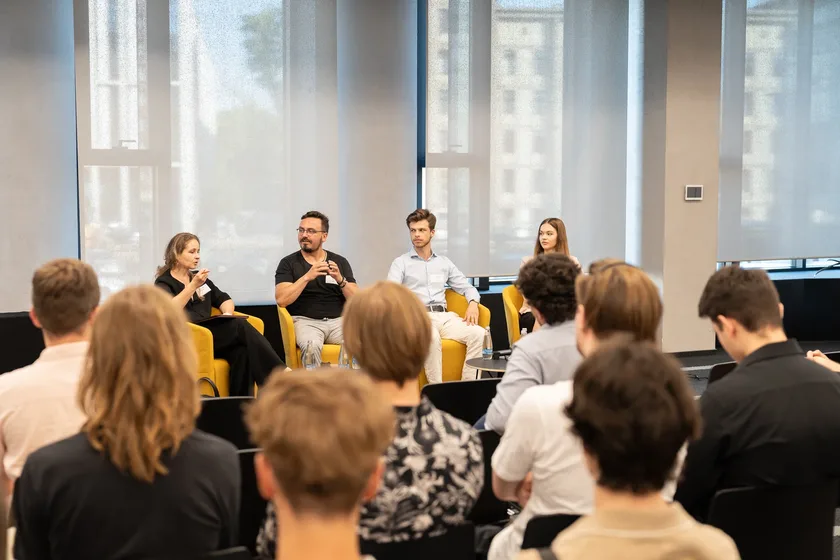
Druga rewolucja kwantowa (Quantum 2.0) przenosi nas z fazy badań podstawowych do ery celowej manipulacji pojedynczymi układami kwantowymi. Podczas wystąpienia przyjrzymy się temu, jak te przełomowe technologie – od informatyki i sensoryki kwantowej, po kryptografię postkwantową (PQC) i nawigację niezależną od GPS – zmieniają współczesną obronność (Quantum Warfare) oraz biznes.
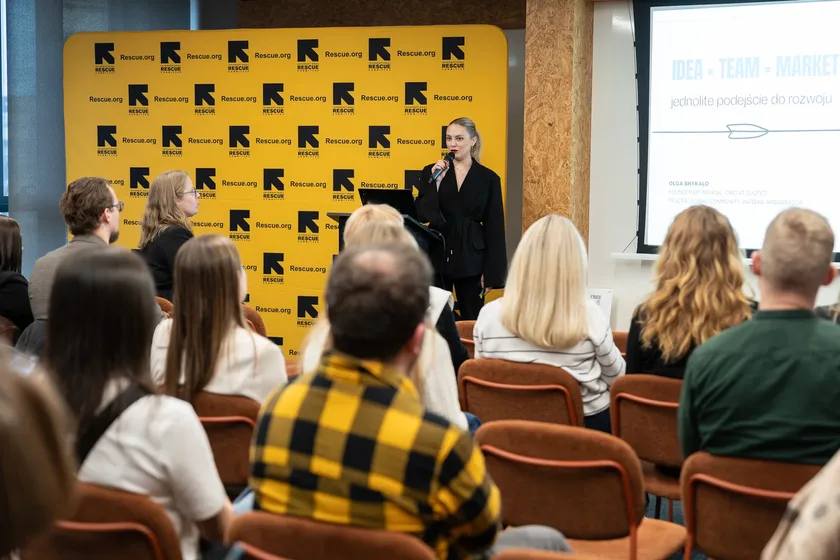
Spotkanie odbywa się w ramach projektu REACH, realizowanego przez IRC Polska we współpracy z Visa. Naszym celem jest zwiększenie dostępu przedsiębiorców do odpowiednich i trwałych usług finansowych w Polsce. W projekcie łączymy dwie strony:
przedsiębiorców poszukujących kapitału oraz instytucje, które mogą ułatwić dostęp do finansowania.
Co zyskasz:
- zrozumiesz, jak bank ocenia mikroprzedsiębiorcę i na co zwraca uwagę przy rozpatrywaniu wniosku
- dowiesz się, jak przygotować się do rozmowy z bankiem, aby zwiększyć szanse na finansowanie
- poznasz instrumenty wsparcia publicznego, które ułatwiają firmom dostęp do finansowania w Polsce
- zadasz pytania ekspertce, która zna system od środka
Dla przedsiębiorców planujących wzrost, którzy chcą podejść do finansowania przygotowani.

Can breakthrough defence solutions take shape in just a few days? The teams behind the EUDIS Defence Hackathon show what is possible when creativity, courage, and collaboration come together. During this closing demo session, the hackathon’s winning teams will take the stage to present ideas and prototypes addressing today’s security and defence challenges.
Together with CIVITTA, we’ll discover solutions developed by innovators combining technical expertise, entrepreneurial thinking, and a fresh perspective on the needs of the defence sector.
This is more than a series of pitches: it’s an opportunity to meet emerging talent, explore new partnerships, and see how hackathon concepts could evolve into technologies with real impact.
Join us and meet the teams helping shape the future of European defence innovation!
The session will feature presentations from the following teams:
-
IRNAS Technologies - winner, EUDIS Hackathon Austria. Their solution keeps unmanned vehicles moving and communicating even when the GNSS and Radio frequencies are not available, spoofed or jammed. AIDEN navigates with minimal drift and decides on board without satellites or an active link from the operator, KORUZA FSO link carries data over an optical beam even where RF signals are jammed.
-
Detexity - winner, EUDIS Hackathon Latvia. Detexity is building an active protection system that defends vehicles against FPV drones, including fibre-optic ones that RF detectors can’t see. Our passive neuromorphic sensor detects incoming drones in milliseconds and cues an automated turret that uses the shotguns and rifles militaries already have.
-
ECHO - winner, EUDIS Hackathon Ireland. Distributed Sensing for Early Situational Awareness: ECHO is developing a low-cost, distributed acoustic sensing network designed to improve situational awareness in complex and communications-limited environments. Their modular system uses deployable sensors that communicate through Ultra-Wideband (UWB) technology, enabling the exchange of acoustic detection data across the network. By combining affordable hardware, distributed sensing and acoustic analysis, ECHO aims to provide timely, actionable alerts and make continuous monitoring more accessible than traditional high-cost solutions.
-
Elika Technologies - winner, EUDIS Hackathon Italy. They are developing a high-speed interceptor: jet-like speed, powered by electricity. Their solution combines aerodynamic optimization with millisecond-latency vision systems, making speed our key competitive advantage.
-
Axioniq - winner, EUDIS Hackathon Cyprus. Axioniq is developing an AI-powered intelligence and autonomy platform that enables unmanned systems to detect, track, and share information, building a unified operational picture across air, land, and sea. By combining real-time intelligence sharing with autonomous coordination, Axioniq reduces operator workload and improves situational awareness. Having demonstrated multi-aircraft operations, AI-powered tracking, and a successful aerial interception at EUDIS Cyprus, where they won first place, they are now seeking defence partners for integration, joint development, and field validation.
-
UB Robotics - winner, EUDIS Hackathon Portugal. Bases, ports, data centers and other high-value sites are still secured by people walking the same rounds all night, and there are not enough of them. UB Robotics builds the brain that lets a mixed fleet of ground, air and maritime robots patrol autonomously: they cover every meter on every round, in any weather, so they see what people miss. Everything runs on the robots, so the system keeps working even in electronic interference situations.
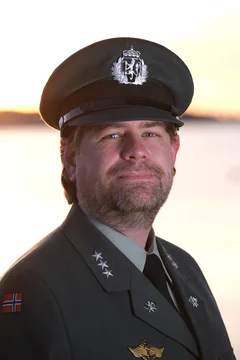
- Team VALE - winner, EUDIS Hackathon Norway. Across Europe, nations solve the same defence problems alone, while reservists with the skills to build better solutions are rarely asked. Team VALE, reservists from the Norwegian Home Guard, have already built and fielded their own sensor stations and command and control system on duty days. Inspired by how Linux became everyone’s, they propose a neutral European foundation where reservists build, test and share open-source defence solutions, while each nation keeps control of its own data. One rule keeps it fair: contribute or pay.
























Registration for this event is closed.
Round two is here! Thursday Gathering #269: Defence Deep Dive #2 brings that high-stakes, high-tech energy back to the Venture Café floor – continuing our high-impact collaboration with FORT Kraków.
From AI warfare and space tech to Poland's dual-use quantum ecosystem, we’re covering the technologies shaping our future. Catch live startup demos from IDA Bootcamp and EUDIS Hackathon (CIVITTA), learn how to build a dual-use champion, and get practical takeaways from Founder Institute and banking insiders.
Building in defence tech? Scouting partnerships? Looking for brilliant collaborators? You cannot miss it – the future happens here.
The opening session of Defence Deep Dive #2 marks the official start of our second dedicated gathering for the defence and dual-use innovation ecosystem at Venture Café Warsaw, organized in close partnership with FORT Kraków.
Get an overview of sessions as we bring together the key players driving resilience and technological sovereignty.
- Who is building what in Warsaw right now, from the people building it;
- Which local investors are active and what they are looking at;
- What the operators in the room can help with;
- Where the local ecosystem is strong and where it is thin;
- How to keep the conversations going after the night ends.
Who Should Attend:
- Founders at any stage building in or near Warsaw;
- Professionals considering starting something who want to meet people who did;
- Local investors and operators looking for early deal flow and talent;
- Anyone who prefers a conversation to a webinar.
How do you build a startup that not only develops breakthrough technology but also becomes a serious player in the European defence market? What makes a dual-use company succeed, and how can founders turn an innovative prototype into a scalable business?
Join us for a fireside chat with Anna Wnuk, Managing Director PSIK, the Polish Private Equity & Venture Capital Association as we explore the challenges and opportunities facing Europe’s defence tech startups.
The conversation will draw on the Dual-Use Handbook, a resource focused on building and scaling technology companies operating at the intersection of civilian and defence markets.
We’ll discuss funding, working with the defence sector, and what it takes to turn European innovation into technology with global impact.
Whether you’re building a startup, investing in deep tech, or following the future of European defence innovation, this is a conversation you won’t want to miss!
As technological boundaries blur, the most versatile defense and resilience tools frequently originate outside the traditional security ecosystem. This session provides an exclusive platform for a selected cohort of high-potential startups operating across distinct tech domains to demonstrate their solutions.
This isn’t about future promises; it’s a direct look at the commercial breakthroughs already rewriting the rules of defense and resilience.
Featured startups taking the stage include:
The next era of space exploration is no longer science fiction—it is happening now. What does it truly mean to leave the planet behind, and what comes next?
Featuring Hanna Harutyunyan, the conversation will delve into high-stakes preparation, operational challenges off-world, and the collective drive pushing humanity past our planet’s boundaries.
Artificial intelligence is changing the rules of the game – including on the modern battlefield. From autonomous systems and real-time data analysis to operational decision support, AI is becoming a key driver of transformation in defence.
In this session, Wojciech Górecki from AGH University will explore how advances in AI are influencing modern conflicts, defence strategies, and the future of military technology.
What new capabilities does AI unlock? Where should we draw the line on system autonomy? And what technological and ethical challenges face innovators building the next generation of solutions?
Join us for a fresh perspective on the future of security through the lens of a technology already redefining military operations.
Od innowacyjnego pomysłu do technologii z potencjałem realnego wdrożenia! Czas poznać startupy, które rozwijają rozwiązania odpowiadające na wyzwania współczesnego sektora bezpieczeństwa, obronności i przemysłu.
Podczas IDA Bootcamp Demo Session, organizowanej we współpracy z PFR i Krakowskim Parkiem Technologicznym (KPT), na scenie zaprezentują się innowacyjne zespoły rozwijające technologie podwójnego zastosowania.
To okazja, by zobaczyć, jak przedsiębiorcy łączą zaawansowaną technologię z realnymi potrzebami rynku, a także odkryć rozwiązania, które mogą znaleźć zastosowanie zarówno w sektorze cywilnym, jak i obronnym.
Szukasz inspiracji, nowych technologii lub potencjalnych partnerów biznesowych? Przyjdź, poznaj founderów i przekonaj się, jak wygląda przyszłość polskiego ekosystemu dual-use w praktyce!
Zaprezentują się:
- Comstellation P.S.A.: pierwszy w Polsce satelitarny operator GEO z misją dostarczania bezpiecznej, suwerennej i autonomicznej łączności od zaraz pod kontrolą polskiej spółki celowej. System jest gotowy, operacyjny, z potwierdzonym pokryciem całej Polski oraz kontynentu, z wiązką ruchomą regionalną i stałą paneuropejską. 16× większa odporność na zakłócanie (anti-jamming) niż jakakolwiek oferta na rynku europejskim. Parametry zweryfikowane niezależnie przez Instytut Łączności – PIB, POLSA oraz Exatel S.A. System może stanowić węzeł orkiestracji dla łączności między orbitalnej GEO/MEO/LEO oraz IoT. ThreeSeas+Air+Ground Secure Link, to propozycja wykorzystania łączności GEO poprzez zasoby Comstellation do transmisji poza zasięgiem widoczności radiowej (BLOS) dla celów dual-use lub milsat. ComStellation P.S.A. proponuje integrację pojemności satelitarnej, terminali i segmentu naziemnego dla użytkowników cywilnych i obronnych, w tym systemów bezzałogowych.
- AZ IMEX sp. z o.o., Warszawa rozwija kompaktowy laserowy system antydronowy dla infrastruktury krytycznej i sił zbrojnych. Jeden laser, dwa efekty: BALOR Blind oślepia kamery i sensory drona bez zestrzeliwania i bez odłamków, a BALOR Complete po autoryzacji operatora neutralizuje cel. Rozwiązanie przeszło testy polowe z Siłami Zbrojnymi Ukrainy i będzie produkowane w Polsce.
- ChipCraft Sp. z o.o., ChipCraft to polska firma mikroelektroniczna z branży półprzewodników, która specjalizuje się w technologii GNSS. ChipCraft dostarcza w pełni zintegrowane, wieloczęstotliwościowe, wielokonstelacyjne odbiorniki GNSS o wysokiej precyzji i niezawodności. Odbiornik NaviSoC oferowany jest w postaci układu scalonego oraz modułu i jest dedykowany na rynek konsumencki, przemysłowy, motoryzacyjny oraz kosmiczny. ChipCraft oferuje również usługi projektowania i industrializacji specjalizowanych układów scalonych, a także przemysłowo zweryfikowane analogowe i cyfrowe bloki składowe układów scalonych dla wielu sektorów gospodarki. ChipCraft opracował również rodzinę polskich procesorów RISC-V całkowicie od podstaw, zapewniając pełną kontrolę nad kodem źródłowym oraz wysoki poziom suwerenności technologicznej, co czyni je szczególnie odpowiednimi do zastosowań krytycznych pod względem bezpieczeństwa, w tym w sektorze obronnym. Firma ma siedzibę w Warszawie i obsługuje klientów na całym świecie.
- Defencebay, to polska firma tworząca oprogramowanie, specjalizująca się w pozyskiwaniu, analizie i dystrybucji danych na szczeblu taktycznym. Jej głównym produktem jest TROP - platforma taktycznego dowodzenia i kierowania oraz wspólnego obrazu sytuacji operacyjnej (COP), działająca w segmencie systemów zarządzania polem walki (BMS). Usprawnia gromadzenie i przepływ danych operacyjnych, pomagając użytkownikom tworzyć przejrzysty i aktualny obraz sytuacji. Poza sektorem obronnym TROP znajduje również zastosowanie dual-use w działaniach służb ratowniczych, organów ścigania, służb ochrony parków oraz innych organizacji pracujących w terenie.
- AquaHub sp. z o.o. zajmuje się projektowaniem i produkcją modułowych rozwiązań sprzętowych dla robotyki morskiej oraz bezzałogowych pojazdów podwodnych (AUV) i nawodnych.
- STM DEFENSE - to kompetentny integrator rozwiązań dla przemysłu, wojska i służb specjalnych. Misją jest wdrażanie technologii, która zwiększa bezpieczeństwo, skuteczność i niezależność wszystkich naszych klientów. tAIne to rozwiązanie klasy enterprise, które umożliwia bezpieczną pracę z chatbotem przy zachowaniu pełnej zgodności z wymogami RODO, NIS2 oraz DORA. Połączono w nim trzy filary bezpieczeństwa: poufne przetwarzanie danych, izolację kontenerową oraz inteligentną anonimizację.
Druga rewolucja kwantowa (Quantum 2.0) przenosi nas z fazy badań podstawowych do ery celowej manipulacji pojedynczymi układami kwantowymi. Podczas wystąpienia przyjrzymy się temu, jak te przełomowe technologie – od informatyki i sensoryki kwantowej, po kryptografię postkwantową (PQC) i nawigację niezależną od GPS – zmieniają współczesną obronność (Quantum Warfare) oraz biznes.
Spotkanie odbywa się w ramach projektu REACH, realizowanego przez IRC Polska we współpracy z Visa. Naszym celem jest zwiększenie dostępu przedsiębiorców do odpowiednich i trwałych usług finansowych w Polsce. W projekcie łączymy dwie strony:
przedsiębiorców poszukujących kapitału oraz instytucje, które mogą ułatwić dostęp do finansowania.
Co zyskasz:
- zrozumiesz, jak bank ocenia mikroprzedsiębiorcę i na co zwraca uwagę przy rozpatrywaniu wniosku
- dowiesz się, jak przygotować się do rozmowy z bankiem, aby zwiększyć szanse na finansowanie
- poznasz instrumenty wsparcia publicznego, które ułatwiają firmom dostęp do finansowania w Polsce
- zadasz pytania ekspertce, która zna system od środka
Dla przedsiębiorców planujących wzrost, którzy chcą podejść do finansowania przygotowani.
Can breakthrough defence solutions take shape in just a few days? The teams behind the EUDIS Defence Hackathon show what is possible when creativity, courage, and collaboration come together. During this closing demo session, the hackathon’s winning teams will take the stage to present ideas and prototypes addressing today’s security and defence challenges.
Together with CIVITTA, we’ll discover solutions developed by innovators combining technical expertise, entrepreneurial thinking, and a fresh perspective on the needs of the defence sector.
This is more than a series of pitches: it’s an opportunity to meet emerging talent, explore new partnerships, and see how hackathon concepts could evolve into technologies with real impact.
Join us and meet the teams helping shape the future of European defence innovation!
The session will feature presentations from the following teams:
-
IRNAS Technologies - winner, EUDIS Hackathon Austria. Their solution keeps unmanned vehicles moving and communicating even when the GNSS and Radio frequencies are not available, spoofed or jammed. AIDEN navigates with minimal drift and decides on board without satellites or an active link from the operator, KORUZA FSO link carries data over an optical beam even where RF signals are jammed.
-
Detexity - winner, EUDIS Hackathon Latvia. Detexity is building an active protection system that defends vehicles against FPV drones, including fibre-optic ones that RF detectors can’t see. Our passive neuromorphic sensor detects incoming drones in milliseconds and cues an automated turret that uses the shotguns and rifles militaries already have.
-
ECHO - winner, EUDIS Hackathon Ireland. Distributed Sensing for Early Situational Awareness: ECHO is developing a low-cost, distributed acoustic sensing network designed to improve situational awareness in complex and communications-limited environments. Their modular system uses deployable sensors that communicate through Ultra-Wideband (UWB) technology, enabling the exchange of acoustic detection data across the network. By combining affordable hardware, distributed sensing and acoustic analysis, ECHO aims to provide timely, actionable alerts and make continuous monitoring more accessible than traditional high-cost solutions.
-
Elika Technologies - winner, EUDIS Hackathon Italy. They are developing a high-speed interceptor: jet-like speed, powered by electricity. Their solution combines aerodynamic optimization with millisecond-latency vision systems, making speed our key competitive advantage.
-
Axioniq - winner, EUDIS Hackathon Cyprus. Axioniq is developing an AI-powered intelligence and autonomy platform that enables unmanned systems to detect, track, and share information, building a unified operational picture across air, land, and sea. By combining real-time intelligence sharing with autonomous coordination, Axioniq reduces operator workload and improves situational awareness. Having demonstrated multi-aircraft operations, AI-powered tracking, and a successful aerial interception at EUDIS Cyprus, where they won first place, they are now seeking defence partners for integration, joint development, and field validation.
-
UB Robotics - winner, EUDIS Hackathon Portugal. Bases, ports, data centers and other high-value sites are still secured by people walking the same rounds all night, and there are not enough of them. UB Robotics builds the brain that lets a mixed fleet of ground, air and maritime robots patrol autonomously: they cover every meter on every round, in any weather, so they see what people miss. Everything runs on the robots, so the system keeps working even in electronic interference situations.
- Team VALE - winner, EUDIS Hackathon Norway. Across Europe, nations solve the same defence problems alone, while reservists with the skills to build better solutions are rarely asked. Team VALE, reservists from the Norwegian Home Guard, have already built and fielded their own sensor stations and command and control system on duty days. Inspired by how Linux became everyone’s, they propose a neutral European foundation where reservists build, test and share open-source defence solutions, while each nation keeps control of its own data. One rule keeps it fair: contribute or pay.